
Safety Management System (SMS)

INFINITI Fleet Safety Training’ Online Safety Training platform is a comprehensive Safety Management System (SMS) designed to enhance workplace safety, ensure compliance, and improve operational efficiency. By integrating advanced training tools and methodologies, INFINITI empowers organizations to cultivate a proactive safety culture and achieve significant returns on investment (ROI).
What Is a Safety Management System (SMS)?
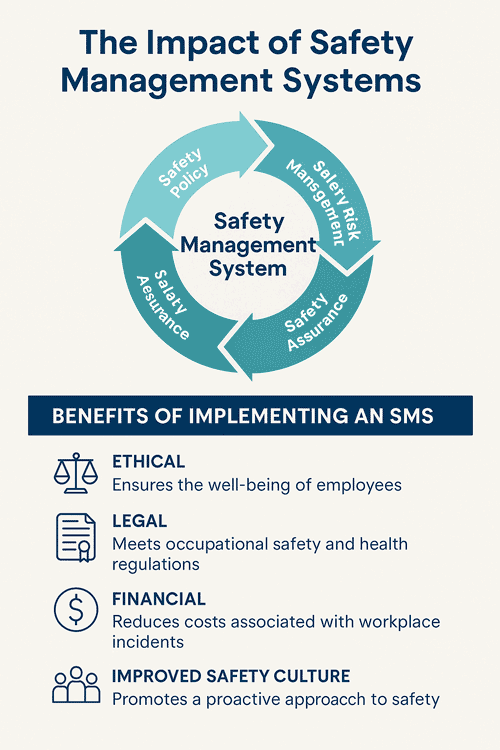
A Safety Management System is a structured framework that enables organizations to manage safety risks systematically. It encompasses policies, procedures, and practices aimed at identifying hazards, assessing and mitigating risks, and promoting a culture of continuous safety improvement. Key components of an effective SMS include:
- Safety Policy: Establishing management commitment and defining safety objectives.
- Safety Risk Management: Identifying hazards, assessing risks, and implementing controls.
- Safety Assurance: Monitoring and evaluating safety performance to ensure effectiveness.
- Safety Promotion: Fostering a positive safety culture through training and communication.
These elements align with international standards such as ISO 45001 and OSHA guidelines, ensuring a comprehensive approach to workplace safety.
Implementing a Safety Management System: Ethical, Legal, and Financial Imperatives
Adopting an SMS addresses critical organizational responsibilities:
- Ethical: Ensuring the well-being of employees by minimizing workplace hazards.
- Legal: Complying with occupational safety and health regulations to avoid penalties.
- Financial: Reducing costs associated with workplace incidents, including medical expenses, legal fees, and productivity losses.
An effective SMS not only safeguards employees but also enhances organizational reputation and financial performance.


INFINITI’s Safety Management System: Features and Benefits
INFINITI’s platform offers a robust suite of tools designed to streamline online safety training and compliance:
- Extensive Training Library: Access to over 800 microlearning videos covering various safety topics.
- Mobile Accessibility: 24/7 access via desktop and mobile devices, facilitating flexible learning.
- Automated Notifications: Alerts for new, due, and overdue training assignments.
- Custom Content Management: Upload and manage company-specific training materials and policies.
- Real-Time Reporting: Track training completion and compliance through detailed dashboards.
- Integration Capabilities: Seamless connection with HR and other enterprise systems via open API.
These features enable organizations to deliver consistent, efficient, and effective safety training across all levels.
The ROI of Integrating INFINITI’s SMS
Investing in INFINITI’s SMS yields measurable financial benefits:
- Cost Savings: OSHA reports that every $1 invested in safety programs can return $4 to $6 in savings from reduced incidents and associated costs.
- Accident Reduction: Companies like DuPont have achieved over a 90% decrease in workplace incidents after implementing comprehensive safety systems.
- Insurance Premiums: Enhanced safety records can lead to lower workers’ compensation and insurance premiums.
- Productivity Gains: A safer work environment contributes to higher employee morale and productivity.
- Regulatory Compliance: Proactive safety management reduces the risk of fines and legal liabilities.
By mitigating risks and promoting a culture of safety, INFINITI’s SMS contributes to both operational excellence and financial performance.
MICROLEARNING EMPLOYEE TRAINING VIDEOS FOR EVERY WORKPLACE SITUATION
INFINITI Fleet Safety Training is an employee training software and digitally transformed all industries safety management system LMS. Clients of INFINITI receive instant, unlimited access to our entire video library, which includes over 850+ learning modules.
Each INFINITI Fleet Safety Training video is focused on one succinct topic, and averages between 3 to 7 minutes long. These microlearning videos increase comprehension and retention, improving your workforce efficiency and positively impacting your bottom line.

Request Your Free Demo
Experience firsthand how INFINITI’s Online Safety Training platform can transform your organization’s safety culture and performance. Request a Free Demo today and take the first step towards a safer, more efficient workplace.
By leveraging INFINITI Fleet Safety Training’ comprehensive SMS, organizations can proactively manage safety risks, ensure compliance, and achieve substantial returns on their safety investments.
FAQs
What is a Safety Management System (SMS)?
A Safety Management System (SMS) is a systematic framework designed to manage workplace safety risks and promote continuous improvement in safety practices. It incorporates policies, procedures, and methodologies that help organizations identify potential hazards, assess risks, and implement effective control measures. The system typically consists of four main components: safety policy, safety risk management, safety assurance, and safety promotion. An SMS helps organizations create a structured approach to maintaining workplace safety while ensuring compliance with regulatory requirements and industry standards. This comprehensive approach enables businesses to protect their workers while also safeguarding their operational and financial interests.
Why is implementing a Safety Management System important?
Implementing a Safety Management System is crucial for multiple reasons that extend beyond basic workplace safety. From an ethical standpoint, it demonstrates an organization’s commitment to protecting its employees’ well-being by creating a safer work environment. Legally, it helps ensure compliance with occupational safety regulations and standards, reducing the risk of penalties and legal issues. Financially, an effective SMS can significantly reduce costs associated with workplace incidents, including medical expenses, legal fees, and lost productivity. Additionally, it enhances the organization’s reputation, improves employee morale, and can lead to substantial returns on investment through reduced insurance premiums and improved operational efficiency.
What are the key components of an effective Safety Management System?
An effective Safety Management System consists of four essential components that work together to create a comprehensive safety framework. First, the Safety Policy establishes management’s commitment to safety and defines clear objectives. Second, Safety Risk Management involves systematic processes for identifying hazards, assessing risks, and implementing appropriate control measures. Third, Safety Assurance encompasses monitoring and evaluation procedures to ensure the effectiveness of safety initiatives. Fourth, Safety Promotion focuses on building a positive safety culture through training, communication, and employee engagement. These components align with international standards and create a foundation for continuous safety improvement.
How does INFINITI’s Safety Management System differ from traditional safety programs?
INFINITI’s Safety Management System distinguishes itself through its innovative digital approach and comprehensive feature set. Unlike traditional safety programs, it offers over 800 microlearning videos accessible 24/7 via multiple devices, ensuring consistent training delivery across the organization. The platform includes automated notifications, custom content management capabilities, and real-time reporting features that traditional programs often lack. The system’s integration capabilities with HR and enterprise systems via open API make it more versatile and efficient. This modern approach to safety management enables organizations to deliver more effective training while maintaining better oversight of compliance and participation.
What ROI can organizations expect from implementing a Safety Management System?
Organizations implementing a Safety Management System can expect significant return on investment through multiple channels. According to OSHA data, every dollar invested in safety programs can yield $4-$6 in savings from reduced incidents and related costs. Companies have reported up to 90% reduction in workplace incidents after implementing comprehensive safety systems. The ROI manifests through reduced workers’ compensation costs, lower insurance premiums, decreased regulatory fines, and improved productivity. Additionally, organizations benefit from enhanced employee morale, reduced turnover, and improved operational efficiency, contributing to long-term financial success.
How does a Safety Management System support regulatory compliance?
A Safety Management System plays a vital role in maintaining regulatory compliance by providing a structured framework for meeting safety requirements. It helps organizations stay current with OSHA guidelines and other relevant regulations through systematic documentation, regular training updates, and compliance monitoring. The system’s automated tracking and reporting capabilities ensure that organizations can demonstrate their compliance efforts during audits or inspections. By maintaining comprehensive records of safety training, risk assessments, and incident investigations, organizations can better protect themselves from regulatory penalties while fostering a culture of compliance.
What makes microlearning effective in Safety Management Systems?
Microlearning has proven particularly effective in Safety Management Systems due to its focused, digestible format. INFINITI’s approach of delivering 3-7 minute videos on specific safety topics enhances information retention and engagement compared to traditional lengthy training sessions. This format accommodates modern attention spans and learning preferences while allowing for flexible scheduling and immediate application of knowledge. The brief, targeted nature of microlearning makes it easier for employees to maintain focus and comprehend critical safety information, leading to better implementation of safety practices in their daily work routines.
How can organizations measure the success of their Safety Management System?
Organizations can measure Safety Management System success through various quantitative and qualitative metrics. Key performance indicators include reduction in incident rates, severity of accidents, workers’ compensation claims, and insurance premiums. The system’s effectiveness can also be evaluated through training completion rates, employee engagement levels, and audit results. Real-time reporting capabilities allow organizations to track these metrics continuously, making it possible to identify trends and areas for improvement. Regular assessment of these measurements helps organizations validate their safety investments and adjust their strategies for optimal results.
What role does technology play in modern Safety Management Systems?
Technology plays a transformative role in modern Safety Management Systems by enabling more efficient and effective safety management practices. Digital platforms like INFINITI provide automated tracking, mobile accessibility, and integrated reporting capabilities that weren’t possible with traditional paper-based systems. Technology facilitates real-time monitoring of safety metrics, immediate access to training materials, and automated compliance tracking. Advanced features such as API integration and custom content management allow organizations to tailor their safety programs while maintaining consistency across multiple locations or departments.
How does a Safety Management System contribute to creating a safety culture?
A Safety Management System contributes to building a strong safety culture by establishing systematic approaches to safety awareness and practices. Through consistent training, clear communication channels, and visible management commitment, the system helps embed safety consciousness into daily operations. Regular safety updates, automated reminders, and accessible training materials keep safety at the forefront of employees’ minds. The system’s comprehensive approach ensures that safety becomes an integral part of organizational values rather than just a set of rules to follow.
What are the benefits of mobile accessibility in Safety Management Systems?
Mobile accessibility in Safety Management Systems provides numerous advantages for modern workforces. The ability to access training materials and safety information 24/7 from any device increases engagement and completion rates. This flexibility accommodates various work schedules and locations, making it easier for organizations with remote or distributed teams to maintain consistent safety standards. Mobile access also enables immediate reporting of safety concerns, quick reference to safety procedures, and real-time communication of updates or alerts, enhancing the overall effectiveness of the safety program.
How does custom content management enhance Safety Management System effectiveness?
Custom content management capabilities in Safety Management Systems allow organizations to tailor their safety training to specific industry needs and company requirements. This feature enables the integration of company-specific policies, procedures, and best practices alongside standard safety training materials. Organizations can create and update content that addresses their unique safety challenges, equipment, or operational processes. The ability to customize content ensures that safety training remains relevant and applicable to employees’ actual work environments, increasing engagement and knowledge retention.
What impact does a Safety Management System have on insurance costs?
A well-implemented Safety Management System can significantly impact insurance costs through various mechanisms. By reducing accident frequencies and severity, organizations often qualify for lower workers’ compensation premiums. Insurance carriers typically offer better rates to companies with documented safety programs and positive safety records. The systematic approach to risk management and incident prevention demonstrates to insurers a commitment to safety that often results in preferred pricing. Additionally, the comprehensive documentation maintained within the system can support negotiations for better insurance terms.
How does automated notification improve Safety Management System efficiency?
Automated notifications in Safety Management Systems significantly enhance operational efficiency by ensuring timely completion of safety requirements. The system automatically alerts employees and managers about upcoming, due, and overdue training assignments, reducing administrative burden and improving compliance rates. These notifications help maintain consistent safety training schedules, ensure regulatory compliance, and prevent training gaps. The automated system also provides documentation of notification delivery, supporting accountability and tracking efforts while minimizing the risk of overlooked safety requirements.
What role does reporting play in Safety Management System effectiveness?
Reporting capabilities are crucial to Safety Management System effectiveness by providing insights into safety performance and compliance status. Real-time dashboards and detailed reports enable organizations to track training completion, identify trends, and measure program success. These analytics help management make data-driven decisions about safety initiatives and resource allocation. Comprehensive reporting also supports regulatory compliance by maintaining detailed records of safety activities, training completion, and incident investigations, while helping identify areas requiring additional attention or improvement.
How does integration capability enhance Safety Management System functionality?
Integration capability enhances Safety Management System functionality by enabling seamless connection with other enterprise systems. Through open API architecture, safety management data can flow between HR systems, operational databases, and other business applications. This integration eliminates data silos, reduces duplicate entry, and ensures consistent information across platforms. The ability to connect with existing systems streamlines administrative processes, improves data accuracy, and provides a more comprehensive view of organizational safety performance while maximizing the return on technology investments.
Industry News

Employee Handbook Policy Guide For Employers


